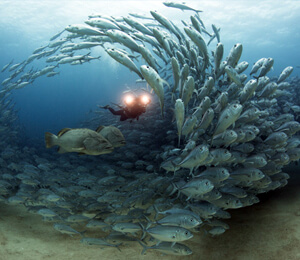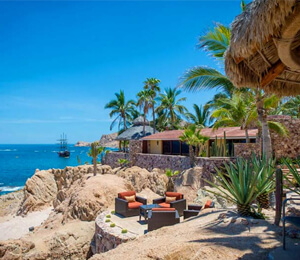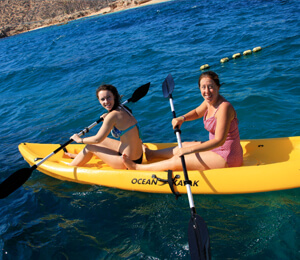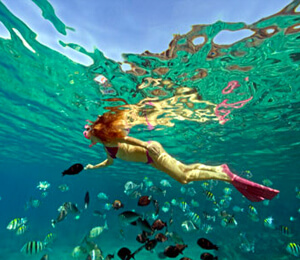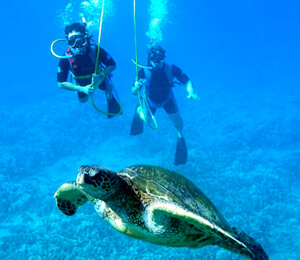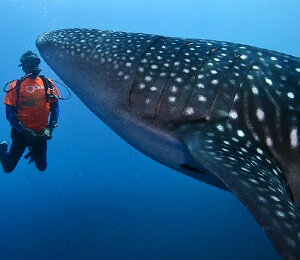
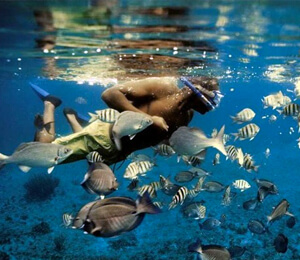

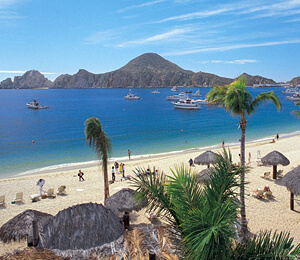
Cabo San Lucas is home to an abundance of beautiful tropical fish and marine life that call these waters their home. Now you can experience the beauty of Cabo San Lucas by embarking on a snorkeling tour adventure. Whether it's your first time snorkeling or you've enjoyed multiple snorkeling trips before, our wide range of tours focus on all snorkeling skill levels so that you can enjoy the adventure of a lifetime. Our Cabo San Lucas snorkeling tours include a variety of different features such as whale watching and sailing. Make the most out of your next trip to Cabo by choosing to book your desired snorkeling experience today.
Whale Watching and Snorkeling
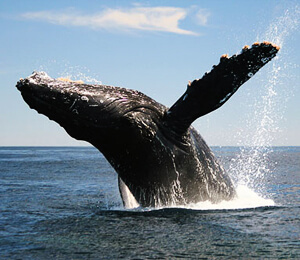
Every fall, some of Cabo San Lucas' most popular visitors make their way to southernmost point of the Baja Peninsula. Gray whales, blue whales and humpback whales start their 6,000 mile long journey from the waters of Alaska to enjoy the warmer waters of the Baja Peninsula during the winter months. Our premier whale watching tours allow you to catch a glimpse of these beautiful creatures, providing you with a memorable experience that you'll never forget. In addition to whale watching, you'll also enjoy a snorkeling adventure at one of Cabo's premier snorkeling sites where you can experience life underwater.
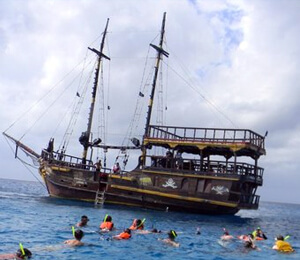
Party Boat Snorkeling
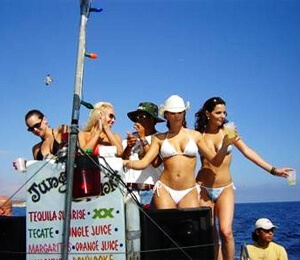
If you're looking for more of a party type atmosphere during your snorkeling tour, look no further than party snorkeling cruises. These Cabo San Lucas snorkeling tours give you the chance to experience snorkeling at some of Cabo's most popular snorkeling beaches. After the snorkeling trip, hop aboard the party boat where you can enjoy a fun atmosphere complete with party music, an open bar and delicious food, dancing and more. The fun never ends on our party boat snorkeling tours.
Sailing and Snorkeling
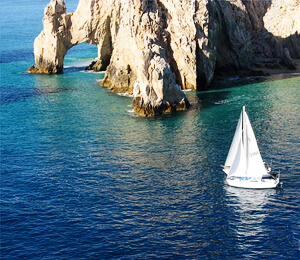
Come aboard an open style catamaran and spend the day sailing and snorkeling on one of our highly-rated sailing and snorkeling cruises. Upon departure, you will enjoy smooth sailing through the beautiful blue waters of Cabo. Take in all of the sights and sounds as you sail along the coast including spotting sea lions, The Arch landmark, a variety of unique rock formations and more. You'll then make your way to our snorkeling spot for the day where you can take your adventure underwater, surrounded by a variety of different sea life species in the tropical water.
Lover's Beach and Land's End Snorkeling
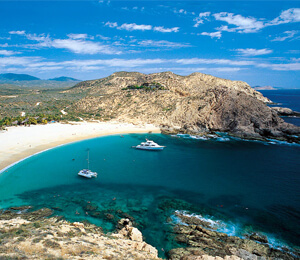
Lover's Beach and Land's End are some of the most beautiful spots to snorkel in all of Cabo San Lucas. Lover's Beach, also known as Playa del Amor, is located on the Sea of Cortez side of Land's End. Upon a snorkeling tour to Lover's Beach, you'll enjoy a water taxi ride to this hidden cove where the Pacific Ocean meets the Sea of Cortez. Here you can enjoy the beauty of both land and sea. Snorkeling tours will only be given on the Sea of Cortez side of Lover's Beach, as the currents from the Pacific can be dangerous.